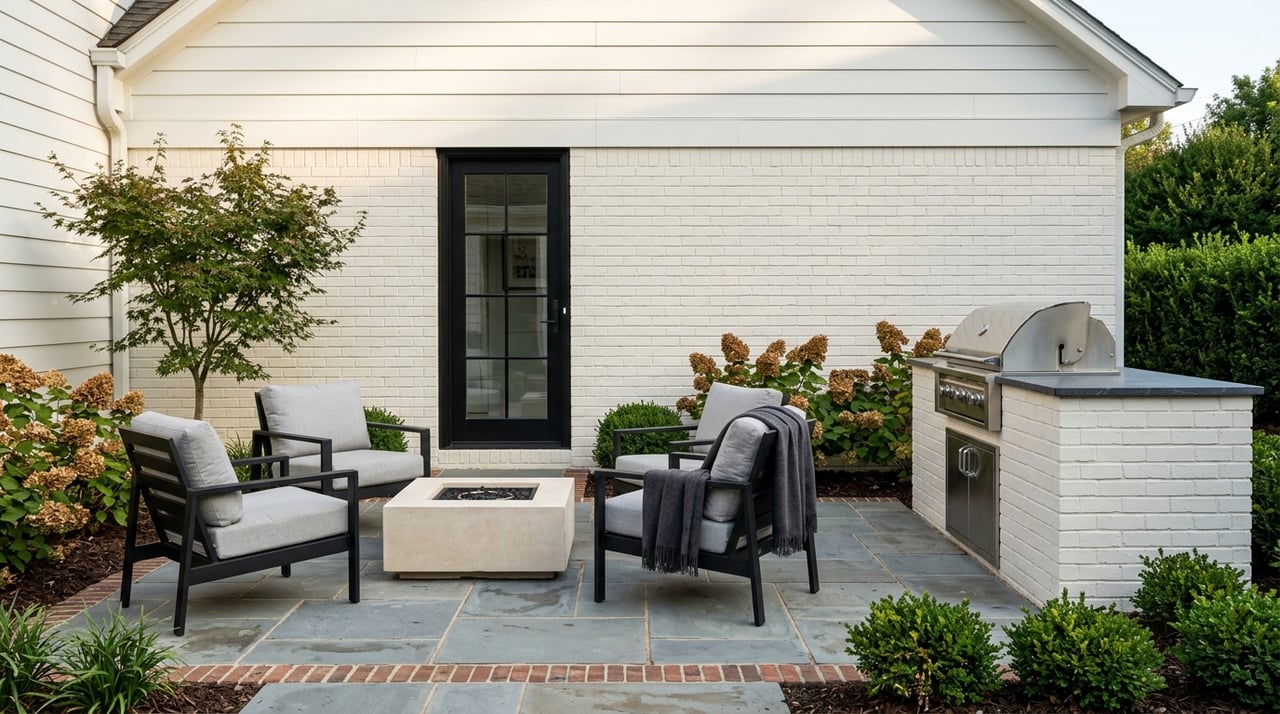
Wondering how to make the most of a Cameron Pond backyard without overbuilding it? In a neighborhood where screened porches, patios, decks, and landscaped yards already show up as part of everyday living, the best upgrades often feel less like extras and more like a natural extension of your home. If you want outdoor space that works well now and still reads well to future buyers, these ideas can help you plan with confidence. Let’s dive in.
Why Outdoor Living Works in Cameron Pond
Cameron Pond’s setting already supports an outdoor-focused lifestyle. The neighborhood is known for single-family homes on tree-lined streets, and nearby amenities include a park connection and access to the Panther Creek Greenway area, according to Poythress Construction Company’s Cameron Pond community page.
Current listing details also show that outdoor features are part of the neighborhood’s appeal. Screened porches, covered porches, decks, patios, fenced yards, irrigation, and landscaped lots appear regularly in marketing, alongside community access to a pond, pool, playground, and trails, as reflected in recent Cameron Pond property listings.
That matters if you are updating your yard. In many cases, the most practical backyard improvements are the ones that match what buyers already expect to see in Cameron Pond.
Start With Shade and Shelter
In Cary’s climate, comfort starts with protection from heat and rain. NOAA climate normals for nearby Raleigh-Durham International Airport show average highs around 87.4°F in June, 90.8°F in July, and 88.7°F in August, along with about 46.1 inches of annual precipitation, based on NOAA monthly normals data.
That makes shade, airflow, and weather cover important features for everyday use. If your backyard gets strong afternoon sun, a covered seating area or screened porch can make the space feel usable for much more of the year.
Screened Porches
A screened porch is one of the most natural fits for Cameron Pond. It lines up with the neighborhood’s existing housing style and gives you a flexible space for dining, reading, or casual entertaining without feeling too specialized.
If your home already has a porch footprint or a strong connection to the backyard, screening it in may create a cleaner transition from indoors to outdoors. Ceiling fans can also improve comfort during peak summer months.
Covered Patios and Seating Areas
If a full screened porch is not the right fit, a covered patio can still give you the benefit of shelter and structure. This option works well when you want a simpler outdoor dining area, lounge zone, or grilling space that feels defined.
For resale, the goal is usually to create a layout that feels broadly useful. A covered area with enough room for dining or conversation seating tends to appeal to a wide range of buyers.
Build a Backyard That Feels Connected
The best outdoor spaces usually do not feel separate from the house. They feel like another room.
That is especially true in a neighborhood where porches, decks, and patios are already common. Rather than filling the yard with too many standalone features, it often helps to organize the space around a few clear functions.
A Simple Layout That Works
A practical Cameron Pond backyard often includes:
- A covered or screened seating area close to the house
- A grill or outdoor cooking zone with safe clearance and easy access from the kitchen
- A small open-air patio or deck for overflow seating
- A modest lawn or landscaped area that stays easy to maintain
This kind of plan supports daily living and casual gatherings without making the yard feel crowded. It also helps outdoor improvements look intentional instead of pieced together over time.
Choose Heat-Friendly, Low-Maintenance Planting
Landscaping can do a lot of heavy lifting in a backyard design. It adds privacy, softens hardscape, and gives the whole space a finished look.
For Cary-area yards, plant choices should match local conditions. The North Carolina DEQ guidance on regionally appropriate landscaping recommends selecting plants with attention to heat, rainfall, frost frequency, and soil pH, and grouping plants by water, shade, and nutrient needs.
Smart Planting Tips
To keep your yard polished without constant upkeep, consider these planning principles:
- Group plants with similar water needs together
- Use shade-tolerant plants in porch-adjacent or tree-covered areas
- Leave room for drainage so beds do not trap water near the home
- Choose plants that hold their shape and do not require heavy pruning
These steps can help your landscape look consistent through changing seasons and weather swings.
Native and Low-Flammability Options
If you want plantings that are both practical and regionally appropriate, NC State guidance highlights several lower-flammability native options, including serviceberry, wild hydrangea, beautyberry, and sweetshrub. NC State resources also identify hoptree as heat tolerant, drought tolerant, and low maintenance, while alternateleaf dogwood is noted as low maintenance, deer resistant, and tolerant of poor soils, as summarized in the state landscaping guidance document.
A thoughtful planting mix can frame a patio, soften a fence line, or create more privacy near a seating area. In many yards, less is more. Clean bed lines and a restrained plant palette often look more polished than an overly busy design.
Plan Drainage and Irrigation Early
Beautiful outdoor features can lose their appeal quickly if the yard stays soggy or planting beds struggle through summer heat. With Cary’s annual rainfall and hot summers, drainage and irrigation are practical concerns, not luxury add-ons.
If you are adding hardscape, think about where water will go before construction starts. Patio edges, downspout flow, and grading can all affect how usable your backyard feels after a storm.
If your lot already has irrigation, make sure new beds and outdoor features work with that system. If not, grouping plants by water needs can help reduce waste and simplify watering.
Add a Fire Feature Carefully
A fire pit can be a strong backyard feature, but it needs to be planned with safety and town rules in mind. In Cary, outdoor fire requirements vary by the type of feature, so it is important to check the rules before you build or buy.
According to Cary’s outdoor fire regulations, recreational fires are limited to 3 feet or less in diameter and 2 feet or less in height, and they must be at least 25 feet from structures or combustible material. The town also states that stationary outdoor fire pits must be at least 5 feet from property lines and 15 feet from structures, including decks.
Best Practices for Fire Pit Placement
Before adding a fire feature, think through:
- Distance from the house and any deck or porch
- Distance from fences, trees, and other combustible materials
- Property line setbacks
- Whether the feature is portable or stationary
- Whether any permit or approval may apply
A fire feature should feel like a safe accent, not the centerpiece of the yard. In many cases, a modest, compliant setup works better than a large custom installation.
Know Permit Rules Before You Start
One of the easiest ways to delay a backyard project is to assume approvals are not needed. In Cary, many exterior improvements do require review.
The Town of Cary notes that residential building permits are required for many remodeling and alteration projects, including decks and porches. The town also notes that some smaller deck and porch projects may qualify for SPOT review, and additional site approvals may be needed if work affects floodplains or stream buffers.
What to Check First
Before moving forward, it is smart to review:
- Any neighborhood or HOA guidelines that may affect design or materials
- Cary permit requirements for the specific feature you want to build
- Whether the project changes drainage, grading, or protected site conditions
- Contractor scope, timeline, and documentation
Starting with these basics can help you avoid redesign costs and keep the project moving.
Focus on Everyday Use and Resale Appeal
The most successful backyard updates usually balance your lifestyle with broad appeal. In Cameron Pond, that often means choosing improvements that feel consistent with the home and neighborhood rather than highly customized around one narrow use.
Covered seating, practical planting, safe cooking areas, and well-planned hardscape tend to support both everyday enjoyment and future marketability. Buyers often respond well to outdoor spaces that feel finished, comfortable, and easy to maintain.
If you are weighing which improvements make the most sense for your property, local context matters. The features that feel right in Cameron Pond are not always the same ones that work best in every part of the Triangle.
When you are preparing to update, sell, or simply want a sharper read on what buyers notice in your neighborhood, Karen Coe can help you think through which outdoor features fit your home, your timeline, and your goals.
FAQs
What outdoor feature adds the most everyday use in a Cameron Pond backyard?
- A covered or screened seating area often adds the most day-to-day value because it helps you use the backyard more comfortably during Cary’s hot summers and frequent rain.
Do you need a permit in Cary for a deck or porch project?
- Yes, Cary states that many residential alterations, including decks and porches, require a building permit, although some smaller projects may qualify for SPOT review.
How close can a fire pit be to a house in Cary?
- Cary states that recreational fires must be at least 25 feet from structures or combustible material, and stationary outdoor fire pits must be at least 15 feet from structures and 5 feet from property lines.
Which plants are a practical fit for a Cary backyard landscape?
- Regionally appropriate choices mentioned in North Carolina guidance include serviceberry, wild hydrangea, beautyberry, sweetshrub, hoptree, and alternateleaf dogwood, depending on your yard’s sun, soil, and water conditions.
What should you check first before starting a Cameron Pond backyard project?
- Start by reviewing neighborhood or HOA guidelines, then confirm Cary permit requirements and any drainage, floodplain, or stream buffer constraints that could affect the project.